


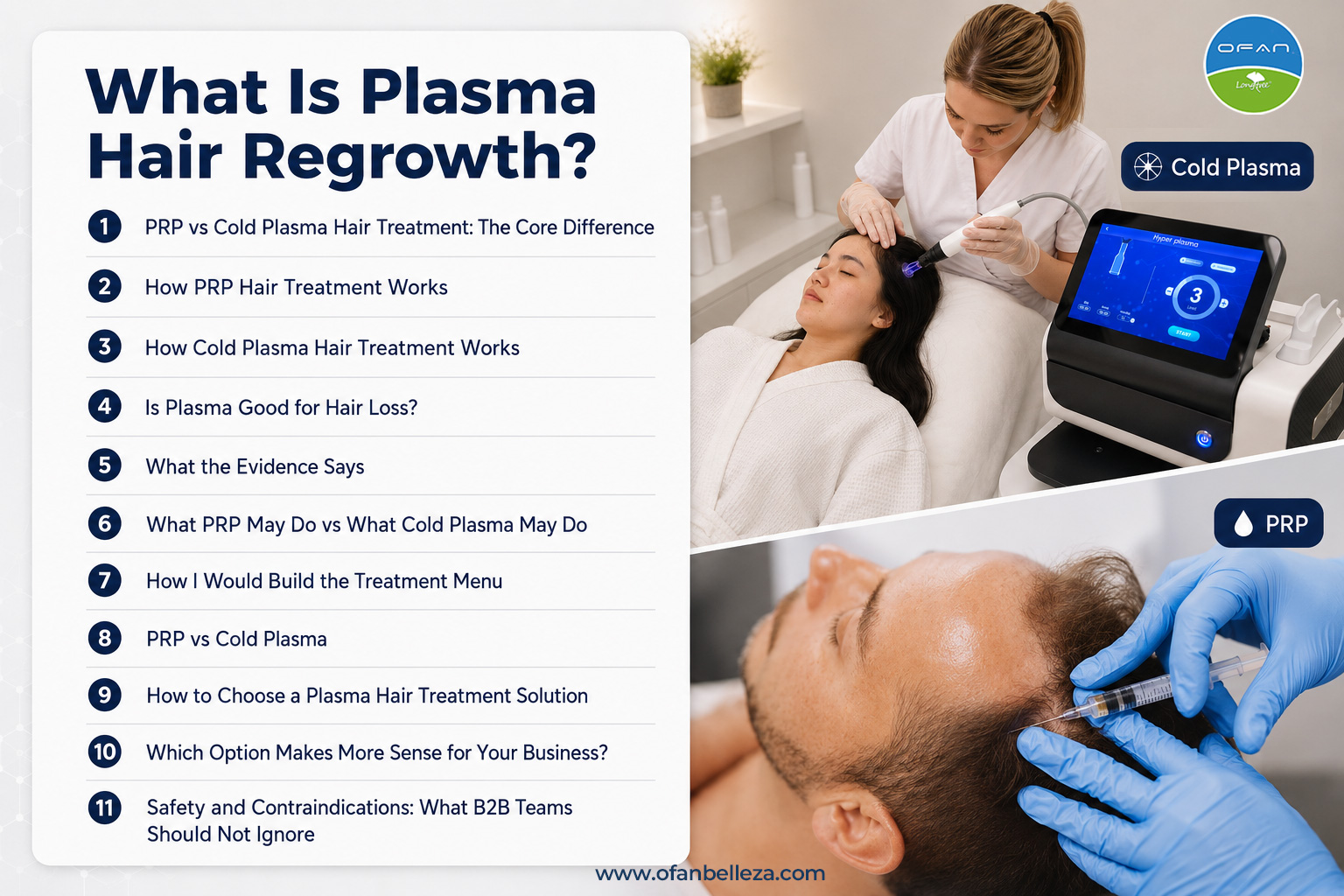
When buyers search “what is hair plasma treatment” or “is plasma good for hair loss,” they are usually mixing two very different technologies: PRP hair treatment and cold plasma hair or scalp treatment. I see this confusion often when working on B2B beauty, scalp-care, and aesthetic equipment content. The word “plasma” appears in both topics, but one uses a client’s own blood, while the other uses ionized gas energy.
For clinics, med spas, scalp-care centers, and distributors, this distinction is not just technical. It affects your service menu, staff qualification, claim wording, device purchasing, client expectations, and compliance risk. In this guide, I will explain what plasma hair regrowth really means, how PRP compares with cold plasma hair treatment, what each may and may not do, and how B2B buyers should evaluate the opportunity before investing.
What Is Plasma Hair Regrowth?
“Plasma hair regrowth” is not one single treatment. In real search behavior, the phrase usually refers to either PRP hair treatment or cold plasma scalp / hair treatment. PRP is a medical procedure that uses platelet-rich plasma prepared from the client’s own blood and is commonly injected into the scalp. Cold plasma hair treatment uses non-thermal ionized gas or plasma-activated effects to support the scalp environment and is usually positioned as a device-based scalp-care technology.
PRP has stronger clinical use in hair-loss treatment, while cold plasma is better positioned as scalp-environment support and an emerging technology, not a guaranteed hair regrowth solution.
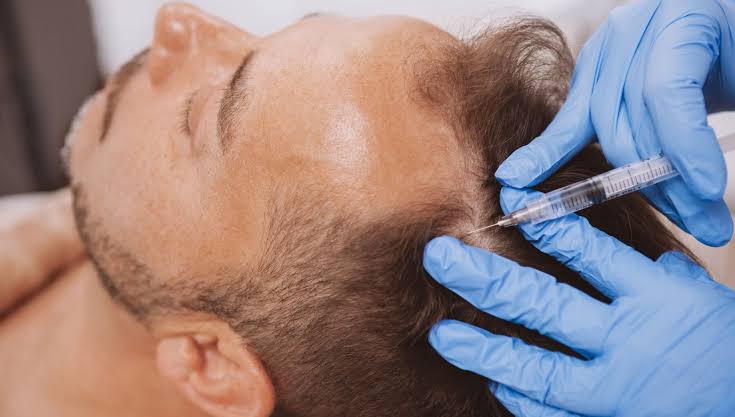
1: PRP Hair Treatment Flow
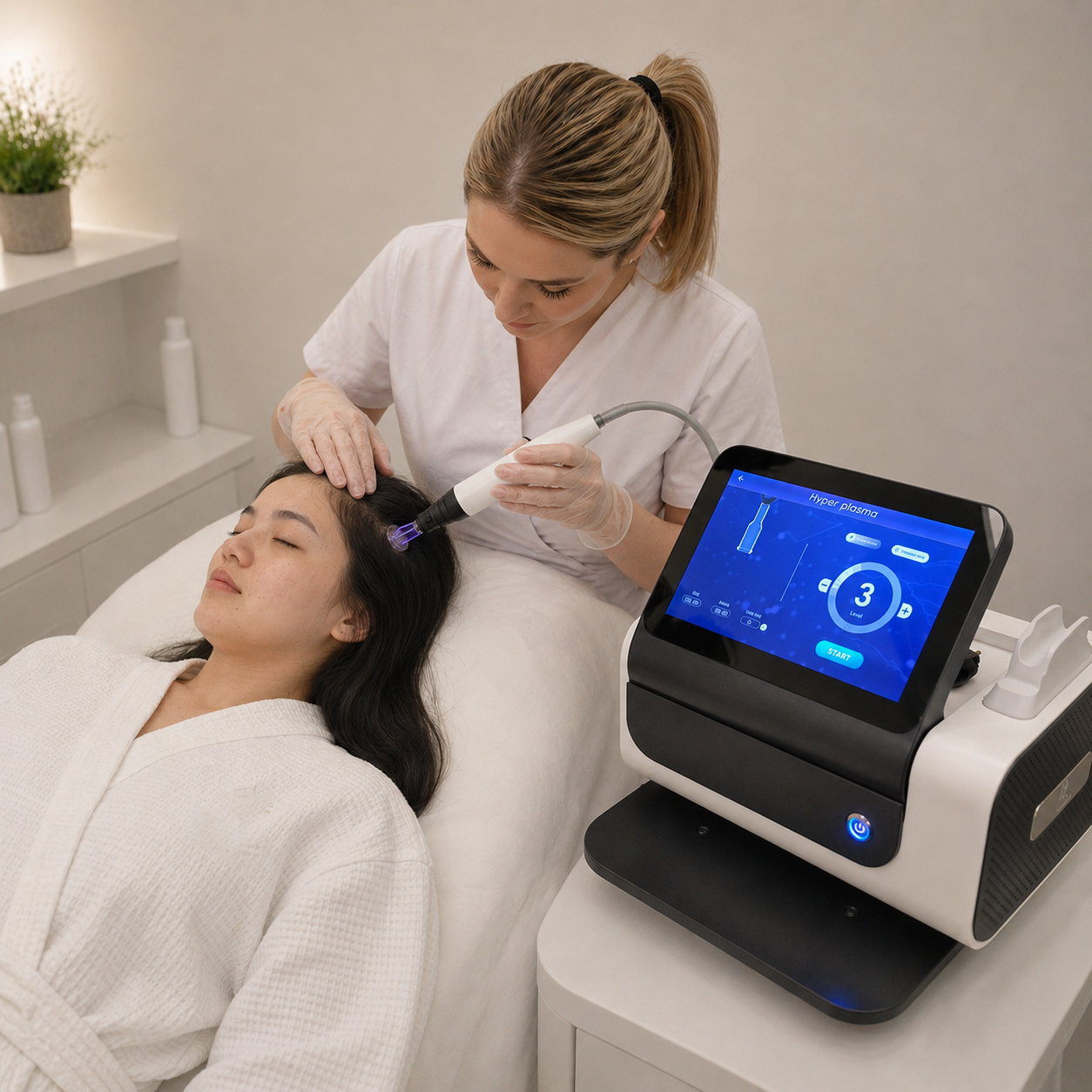
2: Cold Plasma Scalp Device Interface
PRP vs Cold Plasma Hair Treatment: The Core Difference
The first thing I tell B2B buyers is this: do not use “plasma hair treatment” as a single label unless you explain what type of plasma you mean. Otherwise, clients may think a cold plasma scalp machine is the same as PRP injections, which can create expectation, safety, and compliance problems.
| Item | PRP Hair Treatment | Cold Plasma Hair / Scalp Treatment |
|---|---|---|
| What “plasma” means | Platelet-rich plasma from the client’s own blood | Ionized gas or cold atmospheric plasma effect |
| Main workflow | Blood draw, centrifuge, PRP preparation, scalp injection | Scalp cleansing, device application, optional serum/LED/massage |
| Service type | Medical or medical-aesthetic procedure | Device-based scalp-care support, depending on local regulations |
| Invasiveness | Usually injectable and minimally invasive | Usually non-invasive or surface-based |
| Evidence maturity | More clinical studies for androgenetic alopecia and hair density | Emerging evidence; more suitable for cautious scalp-environment support claims |
| Who can perform it | Usually licensed medical professionals or trained clinical providers, depending on local rules | Trained scalp-care or aesthetic professionals may use certain devices, depending on device classification and local rules |
| Best B2B positioning | Hair-loss treatment service after diagnosis | Scalp environment support, maintenance care, and technology upgrade for scalp services |
How PRP Hair Treatment Works
1. Blood Is Drawn from the Client
PRP starts with a blood draw. The blood is processed in a centrifuge to separate platelet-rich plasma from other blood components. Because PRP is prepared from the client’s own blood, the workflow requires medical-level hygiene, consent, screening, and usually trained medical staff.
2. Platelet-Rich Plasma Is Prepared
Platelets contain growth factors and signaling molecules involved in repair processes. In hair-loss practice, PRP is used with the goal of supporting follicle activity and improving hair density in selected patients, especially those with androgenetic alopecia.
3. PRP Is Injected into the Scalp
PRP for hair loss is commonly injected into targeted scalp areas. Because it involves needles, possible discomfort, bleeding, bruising, infection risk, and clinical judgment, it should not be treated like a regular salon scalp-care service.
4. Multiple Sessions and Follow-Up Are Needed
PRP is not a one-session miracle. Many clinical protocols use a series of sessions, followed by maintenance depending on the client’s diagnosis, response, and treatment plan. For B2B service design, this means PRP should be sold with medical consultation, follow-up photos, and clear expectations.
How Cold Plasma Hair Treatment Works
1. It Uses Ionized Gas, Not Blood
Cold plasma hair treatment uses non-thermal plasma technology. It may involve reactive oxygen and nitrogen species, charged particles, light, and other surface interactions. Unlike PRP, it does not require blood draw or scalp injection.
2. It Is Usually Positioned Around the Scalp Environment
From a B2B marketing perspective, I would position cold plasma as a scalp-environment support step. It may fit oily scalp, product buildup, scalp freshness, comfort support, and maintenance-style scalp-care programs. I would avoid calling it a proven cure for hair loss unless stronger clinical evidence and local regulatory approval support that claim.
3. It Can Be Built into a Professional Scalp-Care Protocol
A practical clinic workflow may include scalp consultation, photos, cleansing, gentle exfoliation, cold plasma application, scalp serum, LED, massage, aftercare, and follow-up photos. This makes cold plasma easier to package as a B2B service than as a standalone medical treatment.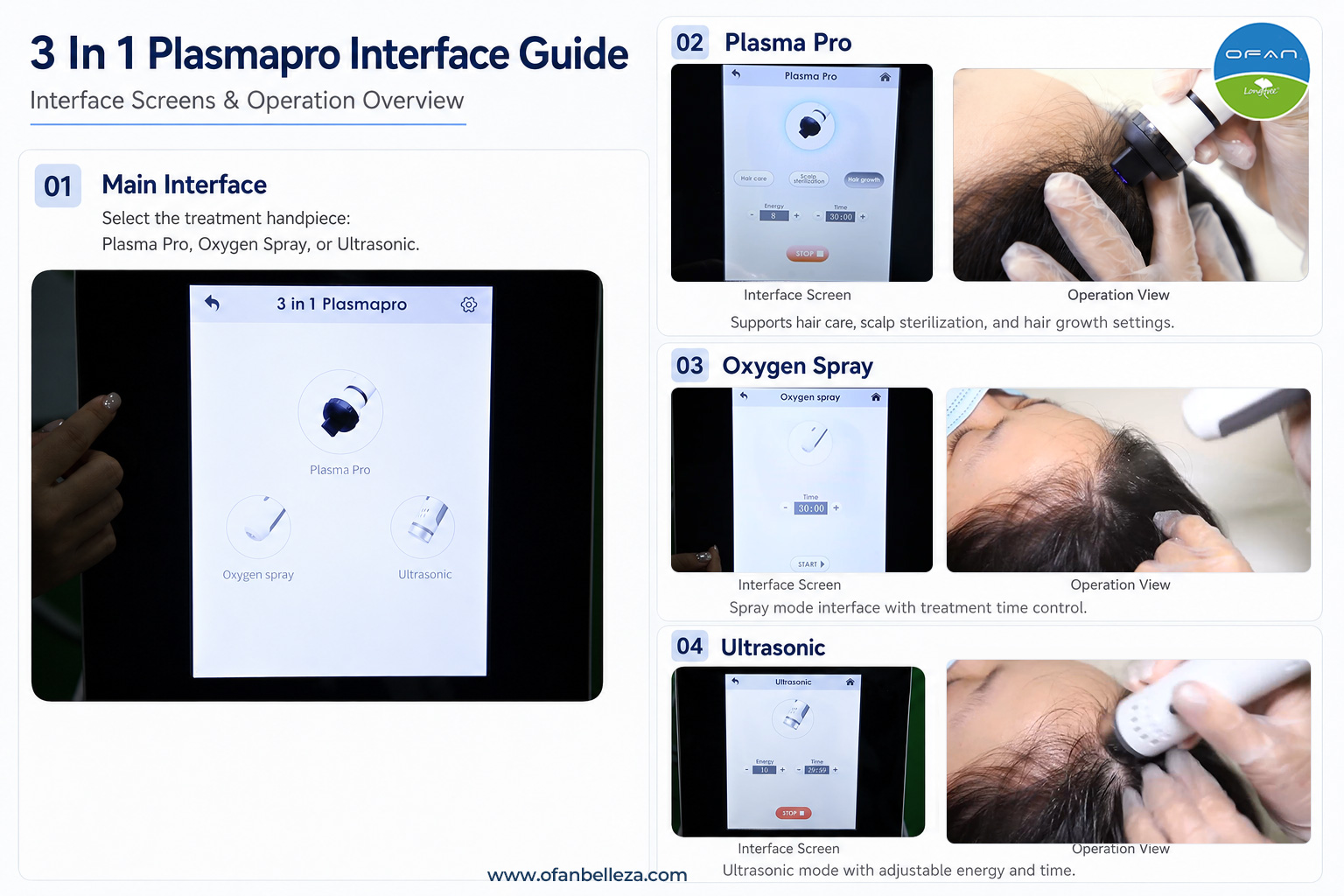
OFAN Plasma Scalp Care device, Contact OFAN today👉Get Quote Nowto discuss your project, product requirements, and cooperation plan.
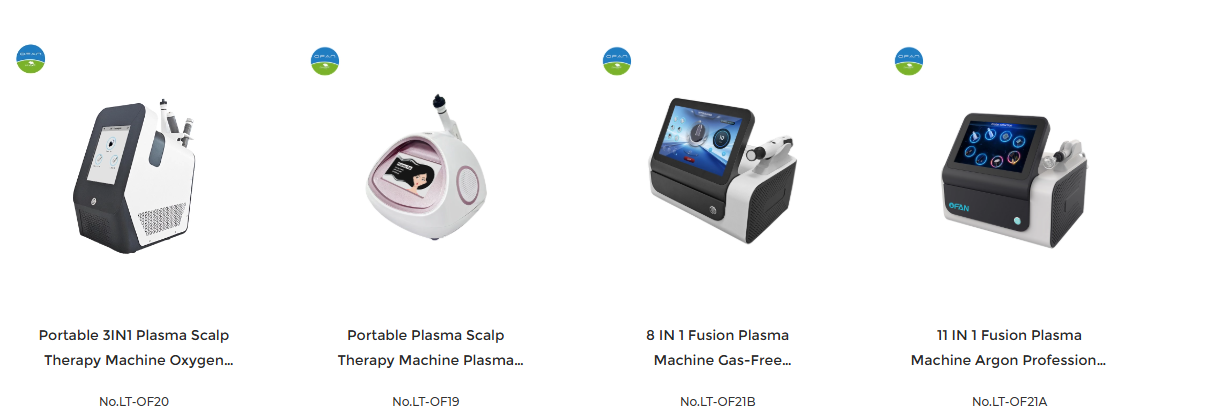
👉Contact OFAN for OEM/ODM Plasma Scalp Care Device Solutions
Is Plasma Good for Hair Loss?
The answer depends on what type of plasma you mean. If you mean PRP, there is clinical evidence suggesting benefits for some patients with androgenetic alopecia, especially improvement in hair density in certain studies. If you mean cold plasma, the evidence is still emerging, and the more responsible wording is scalp-environment support or hair-thinning support as part of a broader plan.
| Client Question | Better Professional Answer | B2B Marketing Risk |
|---|---|---|
| Is plasma good for hair loss? | PRP and cold plasma are different. PRP has more clinical use for hair loss; cold plasma is emerging and better positioned for scalp support. | Do not mix PRP and cold plasma claims. |
| Is plasma good for your hair? | It may help selected people depending on the technology, diagnosis, and treatment plan. | Avoid “good for everyone.” |
| What is plasma hair restoration? | It may refer to PRP hair restoration or cold plasma scalp support, so the provider should clarify the method. | Ambiguous wording can mislead clients. |
| What is plasma treatment for hair loss? | Most clinical users mean PRP, but some device marketers mean cold plasma. Ask what is used: blood-derived PRP or device-based cold plasma. | Clarify before selling. |
What the Evidence Says
I would explain the evidence to a distributor or clinic owner in layers. PRP has more human clinical research for androgenetic alopecia. Cold plasma has interesting early research, including pilot human work and preclinical studies, but it is not yet as established as PRP or standard hair-loss treatments.
| Evidence Area | What It Suggests | How I Would Use It in B2B Content |
|---|---|---|
| PRP for androgenetic alopecia | Meta-analyses and reviews suggest PRP can improve hair density in selected AGA patients, although protocols vary. | Use as a clinical treatment topic with medical review and clear expectations. |
| Standard hair-loss care | Dermatology sources still emphasize diagnosis and options such as minoxidil, medication, laser therapy, PRP, and transplantation depending on the cause. | Do not present any device as a universal cure. |
| Cold plasma for scalp and hair | Early studies explore indirect cold plasma or non-thermal plasma effects on hair growth, but evidence is still developing. | Position as scalp-environment support or emerging technology, not guaranteed regrowth. |
| Device safety and claims | Plasma technologies vary widely. Aesthetic plasma devices have different intended uses and risk profiles. | Clearly separate PRP, cold plasma, RF plasma, and thermal plasma in content. |
What PRP May Do vs What Cold Plasma May Do
What PRP May Help With
- Support hair density in selected androgenetic alopecia patients.
- Work as part of a physician-led hair-loss treatment plan.
- Complement other approaches when clinically appropriate.
- Create a premium medical-aesthetic hair restoration service.
What Cold Plasma May Help With
- Support a cleaner and more balanced scalp-care routine.
- Support oily scalp, product buildup, and scalp comfort programs.
- Work as a technology add-on after cleansing or exfoliation.
- Support hair-thinning clients as part of a broader plan, if expectations are clear.
What Neither Should Promise
- Guaranteed hair regrowth for every client.
- One-session reversal of baldness.
- Treatment of unknown scalp disease without diagnosis.
- Regrowth where follicles are permanently lost.
- Replacement for medical care when medical care is needed.
How I Would Build the Treatment Menu
If I were helping a clinic or distributor build a “plasma hair regrowth” category, I would not place PRP and cold plasma under one identical service name. I would create two clear service tracks.
| Service Track | Positioning | Target Client | Team Requirement | Revenue Model |
|---|---|---|---|---|
| PRP Hair Restoration | Medical-aesthetic hair-loss treatment after consultation | Clients with diagnosed androgenetic alopecia or selected hair-loss concerns | Licensed or properly trained medical team, sterile workflow, consent forms | Premium treatment series with follow-up and maintenance |
| Cold Plasma Scalp Care | Scalp-environment support and technology add-on | Oily scalp, product buildup, mild scalp discomfort, maintenance clients | Trained scalp-care or aesthetic team, device protocol, contraindication screening | Package service, monthly maintenance, cross-sell serum or LED |
PRP vs Cold Plasma
PRP Hair Treatment Workflow
- Medical consultation and hair-loss diagnosis.
- Baseline photos: part line, crown, temples, and scalp close-up.
- Consent form and contraindication screening.
- Blood draw and centrifuge preparation.
- PRP injection into targeted scalp areas.
- Aftercare instructions and follow-up schedule.
- Progress photos after a treatment series.
Cold Plasma Scalp Treatment Workflow
- Scalp consultation and goal setting.
- Baseline scalp photos under consistent lighting.
- Scalp cleansing or gentle exfoliation.
- Cold plasma device application according to protocol.
- Optional scalp serum, LED, massage, oxygen spray, or cooling care.
- Aftercare card and home-care recommendation.
- Follow-up photos after several sessions.
How to Choose a Plasma Hair Treatment Solution
B2B buyers should not ask only “which plasma treatment is better.” The better question is: what business model are you building? A medical clinic, a beauty salon, a scalp-care center, and a distributor may need different solutions.
| Buying Factor | PRP Hair Treatment | Cold Plasma Hair / Scalp Device |
|---|---|---|
| Qualification | Requires clinical qualification and injection workflow. | Depends on device classification and local rules; still requires training. |
| Client expectation | Hair-loss treatment after diagnosis. | Scalp-care support and maintenance. |
| Investment | Requires centrifuge, clinical supplies, medical team, sterile setup. | Requires device, handpieces, consumables, training, service support. |
| Consumables | Blood draw supplies, tubes, syringes, needles, sterile materials. | Tips, covers, cartridges, filters, gels or scalp serums depending on device. |
| Marketing claim | Can discuss PRP for selected hair-loss patients with evidence and medical review. | Should focus on scalp environment, comfort, and emerging support unless stronger claims are supported. |
| Best for | Medical clinics, dermatology clinics, medical aesthetic centers. | Scalp-care centers, salons, med spas, distributors, device-based service menus. |
My B2B Pre-Purchase Checklist
- Clarify whether the service is PRP, cold plasma, RF plasma, or another plasma technology.
- Check local regulation and staff qualification requirements.
- Ask for clinical evidence or technical documents that match the exact claim.
- Calculate cost per treatment, including consumables and staff time.
- Ask for protocol, contraindications, aftercare, and emergency steps.
- Request real training materials, not only sales videos.
- Confirm warranty, repair process, parts availability, and model discontinuation status.
- Build a photo documentation system before selling results.
Which Option Makes More Sense for Your Business?
PRP and cold plasma can both be profitable, but they create profit in different ways. PRP is usually a higher-ticket medical or medical-aesthetic service. Cold plasma is usually easier to package into maintenance plans, scalp-care memberships, and device-based salon or med spa services.
| ROI Factor | PRP | Cold Plasma |
|---|---|---|
| Ticket price | Often higher because it is a medical-aesthetic procedure. | Usually medium, but can be packaged into repeat sessions. |
| Repeat potential | Series plus maintenance, depending on clinical plan. | Monthly maintenance, scalp-care packages, add-on services. |
| Staff requirement | Higher clinical skill and qualification requirement. | Training required, but may fit wider beauty/scalp-care teams depending on device rules. |
| Client education | Must explain blood draw, injection, discomfort, timeline, and expectations. | Must explain that it supports scalp environment, not guaranteed regrowth. |
| Best business model | Medical consultation-based hair restoration service. | Scalp-care upgrade, maintenance package, distributor device category. |
Safety and Contraindications: What B2B Teams Should Not Ignore
Any hair regrowth claim brings medical responsibility. If a client has sudden shedding, patchy hair loss, pain, bleeding, infection, severe scaling, scarring, or unexplained scalp lesions, I would not start with a beauty treatment. I would recommend medical evaluation first.
Extra Screening for PRP
- Bleeding disorders, anticoagulant use, infection risk, and medical history.
- Sterile workflow, blood handling, injection safety, and consent form.
- Qualification of the practitioner according to local rules.
Extra Screening for Cold Plasma
- Active scalp infection, open wounds, severe dermatitis, or unexplained lesions.
- Pregnancy, implanted electronic devices, or use of strong scalp medications, depending on device guidance.
- Correct device settings, hygiene, handpiece cleaning, and aftercare.
FAQ
What is hair plasma treatment?
Hair plasma treatment can mean different things. In clinical settings, it often means PRP hair treatment using platelet-rich plasma from the client’s own blood. In device marketing, it may mean cold plasma scalp treatment using non-thermal ionized gas. A professional provider should always explain which type is being used.
Is plasma good for hair loss?
PRP may help selected hair-loss clients, especially some people with androgenetic alopecia, but results vary and diagnosis matters. Cold plasma may support the scalp environment, but it should not be advertised as a guaranteed hair-loss cure.
Is plasma good for the hair?
It depends on the technology and the client’s condition. PRP is a medical procedure aimed at selected hair-loss cases. Cold plasma is better positioned as scalp-care support. Neither should be described as good for everyone.
What is plasma treatment for hair loss?
Most medical providers use this phrase to describe PRP, where platelet-rich plasma is prepared from blood and injected into the scalp. Some equipment companies use similar wording for cold plasma scalp devices. B2B websites should clearly separate the two to avoid misleading clients.
What is plasma hair restoration?
Plasma hair restoration may refer to PRP hair restoration or to device-based cold plasma scalp support. If a clinic uses this phrase, it should explain the method, whether blood is involved, whether injections are used, what results are realistic, and what evidence supports the service.
Which is better, PRP or cold plasma hair treatment?
They serve different purposes. PRP is better suited to medical hair-loss treatment after diagnosis. Cold plasma is better suited to scalp-care support, maintenance programs, and technology-based service upgrades. The better choice depends on your business model, staff qualification, local regulations, and client needs.
Can a salon offer plasma hair regrowth?
A salon should be very careful with the word “regrowth.” Non-medical salons may be able to offer scalp-care support with certain devices, depending on local rules, but they should avoid medical hair-loss treatment claims. PRP usually requires a medical setting or licensed professional.
How many sessions are needed?
PRP often requires a series of sessions and maintenance depending on clinical protocol. Cold plasma scalp care is usually better packaged as a repeated scalp-care or monthly maintenance program. For either option, progress should be tracked with standardized photos rather than only client feelings after one session.
Final Takeaway for B2B Buyers
If your buyer, distributor, or clinic team wants to enter the “plasma hair regrowth” category, the first job is not to pick a machine. The first job is to define the service clearly: Are you offering PRP hair restoration, cold plasma scalp support, or both as separate services?
My final recommendation is: use PRP language when you mean blood-derived platelet-rich plasma, and use cold plasma language when you mean device-based scalp support. This one distinction can make your content safer, more credible, and more useful for clients who are genuinely trying to understand hair-loss options.
For B2B growth, the strongest position is not the loudest claim. It is a clear, evidence-aware, well-documented service that your team can safely explain, perform, and follow up.
References
- American Academy of Dermatology: Hair loss diagnosis and treatment
- Mayo Clinic: Hair loss diagnosis and treatment
- PubMed: Platelet-Rich Plasma for Androgenetic Alopecia
- PMC Review: Platelet-rich plasma for androgenetic alopecia
- PubMed: Tolerability of Six Months Indirect Cold Physical Plasma Treatment of the Scalp for Hair Loss
- PMC: Non-thermal plasma promotes hair growth by improving the inter-follicular macroenvironment
- PMC: Cold atmospheric microwave plasma stimulates hair renewal in vitro
- FDA MAUDE Database
- FDA MedWatch Safety Reporting
- FDA Safety Communication: Renuvion/J-Plasma Device for Certain Aesthetic Procedures


