


Does PEMF Therapy Really Work?
PEMF therapy may work for selected conditions, especially certain bone-healing applications, some musculoskeletal pain conditions, and some osteoarthritis symptoms. But the evidence is mixed, device parameters vary widely, and PEMF should not be treated as a cure-all.
A better question is not simply “does PEMF work?” The better question is: for what condition, with which device, at what dose, compared with what control, and measured by what outcome?
For example, a prescription bone-growth stimulator used for a defined nonunion or spinal fusion risk is not the same as a low-intensity wellness mat sold for sleep, detox, and general energy. Both may be called PEMF, but the evidence level, intended use, regulatory status, and expected results can be very different.
What Do PEMF Studies Actually Show?
PEMF studies are not one single body of evidence. They include different devices, intensities, frequencies, waveforms, session times, treatment sites, and patient groups. This is why one study may show benefit while another shows little or no difference.
Evidence Snapshot
| Use Area | What Studies Suggest | Evidence Strength | Practical Takeaway |
|---|---|---|---|
| Bone-growth stimulation | Non-invasive bone growth stimulators have defined medical uses, including fracture fixation/spinal fusion adjuncts and established nonunions or failed fusions. | Stronger for specific prescribed indications | More credible when prescribed and monitored by a clinician. |
| Knee osteoarthritis | Some reviews and trials show short-term pain and function improvements, but results vary by protocol and patient type. | Moderate but mixed | May help some users as an adjunct to exercise and standard care. |
| General musculoskeletal pain | Some evidence suggests electromagnetic therapy may reduce pain and improve function in selected musculoskeletal conditions. | Mixed | Track pain and function objectively before buying long-term. |
| Low-back pain | Some reviews suggest possible pain reduction over 1–12 weeks, but protocols differ. | Promising but not definitive | Best viewed as an adjunct, not a replacement for rehab. |
Key PEMF Study Data You Can Actually Use
For a buyer or clinic owner, the most useful data is not just “a study exists.” You need to know the condition, sample size, treatment length, and what outcome improved.
| Source / Study Type | Population / Data | Result Summary | Limitation |
|---|---|---|---|
| NCCIH evidence summary | Electromagnetic therapy for musculoskeletal pain and osteoarthritis | May relieve pain and improve function in some musculoskeletal and osteoarthritis conditions, but data are mixed. | Not all conditions respond; static magnets are different from PEMF. |
| 2020 osteoarthritis meta-analysis | 15 studies, 985 participants in OA summary referenced by NCCIH | Reported reduced pain and improved stiffness and physical function, but not overall quality of life. | Mostly short-term evidence; different devices and protocols. |
| 2024 systematic review in osteoarthritis | 17 randomized controlled trials, 1,197 patients | Reported positive outcomes across anatomical districts, primarily knee OA; VAS and WOMAC improvements were reported. | Devices and treatment durations varied from 15 to 90 days. |
| 2024 randomized controlled trial | 60 patients with end-stage knee OA; PEMF plus home exercise vs home exercise alone; 8 weeks | PEMF plus home exercise improved knee muscle strength and reduced pain more than exercise alone. | No long-term follow-up; PEMF was combined with exercise, so PEMF-alone effect is uncertain. |
| 2026 FDA final order | Non-invasive bone growth stimulators | Reclassified from class III to class II with special controls and 510(k) requirement. | Applies to specific bone-growth stimulator device category, not all consumer PEMF products. |
Why Do Some PEMF Devices Work Better Than Others?
One of the biggest mistakes buyers make is assuming all PEMF machines are the same. They are not. PEMF is not a single dose. It is more like a category of signal-based devices.
Device Parameters That Matter
- Field intensity: How strong is the electromagnetic field at the treatment area?
- Frequency: What frequency range does the device use?
- Waveform: Is it sinusoidal, square, sawtooth, or another waveform?
- Applicator design: Is it a mat, pad, loop, coil, or wearable brace?
- Session duration: How long is each treatment session?
- Treatment schedule: Daily, weekly, or clinician-prescribed?
- Clinical match: Does the study being cited actually match this device and protocol?
Better Ways to Measure Whether PEMF Works
| Outcome | How to Measure | Useful For |
|---|---|---|
| Pain score | 0–10 before session, 2 hours after, and next morning | Pain relief claims |
| Morning stiffness | Minutes until joint feels easier to move | Arthritis-related symptoms |
| 5-time sit-to-stand | Time needed to stand up and sit down 5 times | Knee OA and leg function |
| Walking tolerance | Minutes before pain increases | Daily mobility |
| Medication use | Record only; do not change medication without clinician advice | Clinical review |
| Adverse reactions | Headache, dizziness, worse pain, palpitations, skin discomfort | Safety monitoring |
For distributors How to Choose PEMF Machine
Need help choosing the right PEMF therapy device? Contact OFAN today👉Get Quote Nowto discuss your project, product requirements, and cooperation plan.

👉Contact OFAN for OEM/ODM PEMF Therapy Device Solutions
👉Click to View: PEMF Therapy Machine
👉READ MORE
Real-Use Testing Plan: How to Know If Your PEMF Machine Works
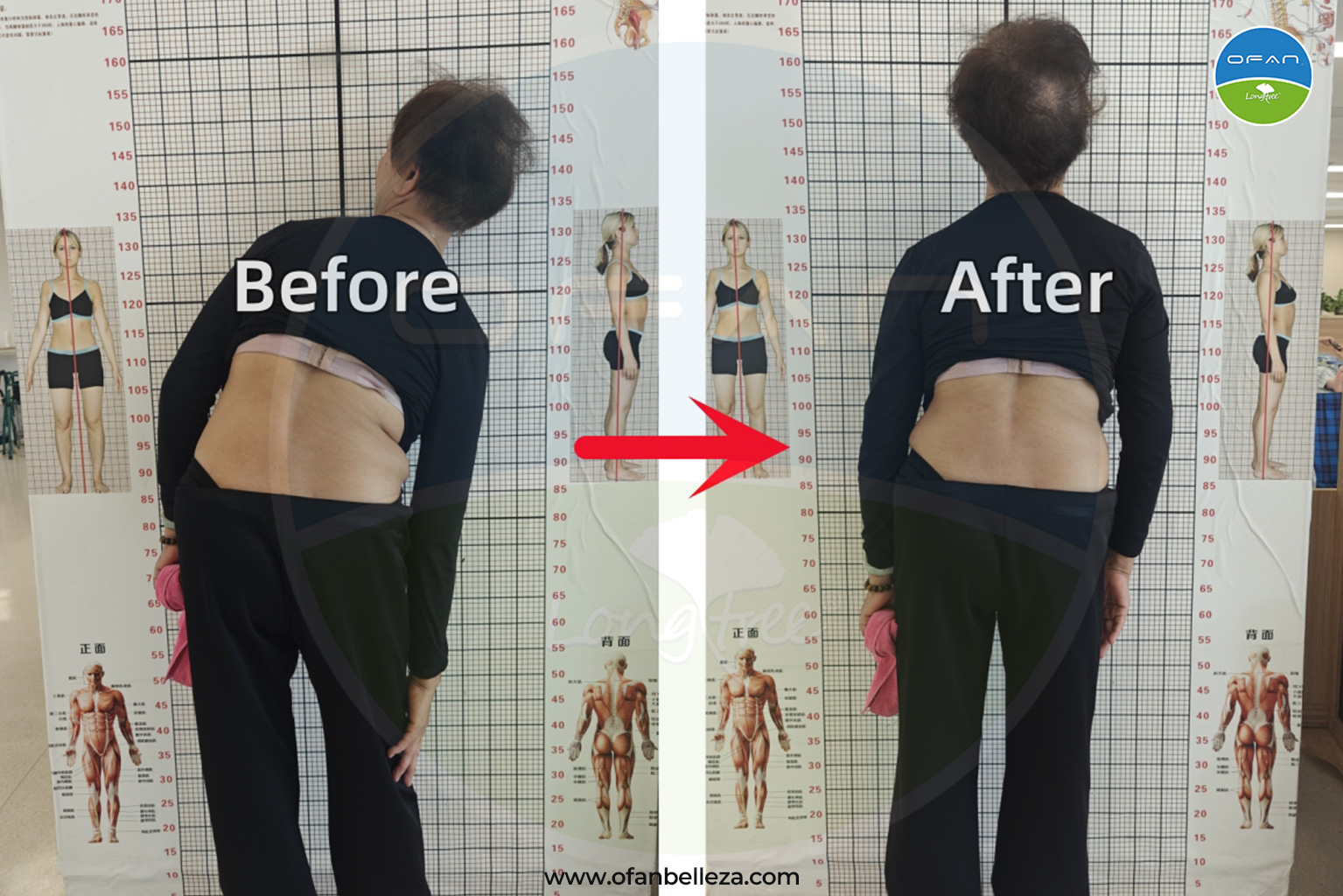
This section is designed for real original experience. Do not publish fake results. Use the table below to collect your own data before publishing a review, product page, or clinic article.
Step 1: Choose One Target Problem
Do not test “overall wellness.” Choose one measurable problem, such as right knee pain, lower-back stiffness, plantar heel pain, post-exercise soreness, or clinician-diagnosed osteoarthritis symptoms.
Step 2: Record a 3-Day Baseline
Before using the PEMF machine, record your pain and function for 3 days. This prevents you from mistaking normal symptom fluctuation for a device effect.
Step 3: Use the Same Protocol for 7–14 Days
Use the device at the same time of day, on the same body area, with the same setting, for the same session length. Changing everything at once makes the result impossible to interpret.
Step 4: Compare Function, Not Just Pain
Pain can fluctuate. Function is harder to fake. Track stairs, walking, squatting, sitting-to-standing, or how long you can work before discomfort increases.
Step 5: Decide With Data
After 7–14 days, look for a repeated pattern. A single good session is not enough. A useful signal is repeated improvement in pain or function without increased side effects.
| Baseline Day 1 | ____ | No PEMF |
0 | __/10 | __/10 | Walking / stairs / stiffness | ____ |
| PEMF Day 1 | ____ | ____ | ____ min | __/10 | __/10 | ____ | ____ |
| PEMF Day 7 | ____ | ____ | ____ min | __/10 | __/10 | Better / same / worse | ____ |
| PEMF Day 14 | ____ | ____ | ____ min | __/10 | __/10 | Repeated benefit? | ____ |
Do PEMF Machines Really Work for Pain?
For pain, the answer is condition-specific. PEMF may help some musculoskeletal pain conditions, but it is not equally convincing for every type of pain. Evidence looks more promising for certain osteoarthritis and low-back pain contexts than for shoulder pain, cancer-related pain, or broad “all pain” claims.
What a Reasonable Pain Result Looks Like
- Pain drops from 7/10 to 5/10 after repeated sessions.
- Morning stiffness becomes shorter.
- You can walk longer before pain increases.
- You can complete rehab exercises with less discomfort.
- You sleep better because the painful area feels calmer.
What an Overhyped Pain Claim Looks Like
- “PEMF cures chronic pain permanently.”
- “You can stop physical therapy after using PEMF.”
- “PEMF replaces pain medication for everyone.”
- “PEMF repairs cartilage and reverses arthritis.”
- “If you do not feel results immediately, you used it wrong.”
Do PEMF Machines Work for Bone Healing?
Bone healing is one of the more credible medical areas for PEMF-related technology, but only under the right conditions. Non-invasive bone-growth stimulators are medical devices with defined indications, safety controls, and regulatory requirements. This does not mean every PEMF mat or wellness device is a bone-healing device.
If you are dealing with a fracture, failed fusion, or suspected nonunion, the correct next step is not to buy a random PEMF device. The correct step is to work with an orthopedic clinician, confirm the diagnosis by imaging, and use an appropriate device if prescribed.
PEMF vs TENS vs Red Light Therapy vs Massage: Which Works Better?
People often compare PEMF with TENS, red light therapy, heat, vibration, and massage. The best option depends on the problem. These therapies do not work the same way.

| Therapy | How It Works | What You Feel | Best-Fit Use | Main Weakness |
|---|---|---|---|---|
| PEMF |
Pulsed electromagnetic fields through coils | Often little or no sensation | Selected bone-growth support, some pain/OA contexts | Device parameters and evidence vary widely |
| TENS |
Electrical stimulation through skin electrodes | Tingling, buzzing, pulsing | Short-term pain modulation | Does not equal tissue repair |
| Red light therapy | Specific wavelengths of light | Warmth or mild skin sensation | Skin, superficial tissues, recovery support | Dose, wavelength, and distance matter |
| Massage / vibration | Mechanical stimulation | Pressure, vibration, relaxation | Muscle tension and temporary comfort | May not address joint or bone pathology |
| Heat therapy | Thermal effect | Warmth | Stiffness, muscle relaxation | Not suitable for some acute inflammation or swelling |
Professional Buying Guide: How to Choose a PEMF Machine That Might Actually Work
A serious PEMF buying decision should be based on intended use, evidence, parameters, safety, and support—not just testimonials or influencer videos.
1. Match the Device to the Problem
If your problem is medically diagnosed, such as nonunion, spinal fusion risk, or advanced osteoarthritis, talk to a clinician before buying. If your goal is general relaxation, do not expect the same evidence level as a medical bone-growth stimulator.
2. Ask for the Exact Parameters
Do not accept vague answers like “advanced frequency” or “NASA-level technology.” Ask for field intensity, frequency range, waveform, applicator size, treatment duration, contraindications, and user manual.
3. Check the Evidence Match
Ask whether the company has evidence for the exact device model, or whether it is only citing unrelated PEMF studies. Evidence from one PEMF device does not automatically prove another device works.
4. Look for a Return Policy
Because individual response varies, a transparent trial period, return policy, warranty, and real customer support are important. A company that promises guaranteed healing but refuses returns is a red flag.
| Buyer Question | Good Answer | Red Flag |
|---|---|---|
| What condition is this device intended for? | Specific use case with documentation | “Everything: pain, sleep, inflammation, detox, anti-aging” |
| What are the parameters? | Clear intensity, frequency, waveform, session time | “Secret frequency technology” |
| Is there human evidence? | Studies that match the device or use case | Only animal studies or unrelated PEMF papers |
| Who should not use it? | Clear contraindications and safety warnings | “Safe for everyone” |
Who Should Avoid PEMF or Ask a Doctor First?
PEMF is noninvasive, but noninvasive does not mean risk-free. Ask a clinician before use if you have any of the following:
- Pacemaker, defibrillator, insulin pump, neurostimulator, cochlear implant, or other implanted electronic device
- Pregnancy or trying to conceive
- Active cancer or cancer treatment near the target area
- Active infection, fever, or suspected bone infection
- Unexplained swelling, possible blood clot, or severe new pain
- Recent surgery without surgeon approval
- New numbness, weakness, balance issues, or neurological symptoms
- Fracture, failed fusion, or suspected nonunion without orthopedic supervision

Important: Do not use a consumer PEMF device to delay diagnosis or treatment. If pain is severe, new, worsening, associated with trauma, or accompanied by fever, swelling, weakness, numbness, chest symptoms, or unexplained weight loss, seek medical care.
FAQ:
Does PEMF work?
PEMF may work for selected conditions, especially certain bone-healing applications, some musculoskeletal pain conditions, and some osteoarthritis symptoms. It does not work for every condition, and results depend heavily on device type, parameters, protocol, and the user’s diagnosis.
Do PEMF machines work?
Some PEMF machines can work when they are matched to the right use case and used correctly. But not every PEMF machine has the same evidence. A medical bone-growth stimulator and a consumer wellness mat should not be judged as the same product category.
Do PEMF machines really work for arthritis?
For osteoarthritis, especially knee osteoarthritis, some studies suggest short-term improvements in pain, stiffness, and physical function. However, results vary, and PEMF should be considered an adjunct to exercise, weight management, physical therapy, medication when appropriate, and clinician guidance.
Do PEMF devices really work for pain?
They may help some pain conditions, but pain is not one disease. PEMF evidence is more promising for some musculoskeletal pain and osteoarthritis contexts than for broad “all pain” claims. Track pain and function before deciding whether it works for you.
Do PEMF devices work if I cannot feel anything?
Possibly. Many PEMF devices produce little or no sensation. Not feeling anything does not prove it is ineffective. But feeling relaxed after a session also does not prove the PEMF signal caused the result. Objective tracking is more useful than sensation alone.
What do PEMF studies say?
PEMF studies suggest potential benefits in selected areas, including bone-growth stimulation, osteoarthritis symptoms, and some musculoskeletal pain conditions. However, study results vary because devices, treatment parameters, duration, and patient groups differ.
Should I buy a PEMF machine? Does it work well enough?
Buy only after you define your target problem, check contraindications, verify device parameters, review evidence that matches the use case, and confirm the return policy. If the device is expensive and the claim is medical, discuss it with a clinician first.
How long does PEMF take to work?
For pain-related use, some users notice changes after several sessions, while others need weeks or notice no meaningful benefit. For bone-healing applications, progress should be monitored by imaging and clinician follow-up, not by feeling alone.
Can PEMF be used every day?
It depends on the device and intended use. Follow the manufacturer’s instructions or clinician’s prescription. Do not assume that longer, stronger, or more frequent sessions are automatically better.
Is PEMF safe?
PEMF is generally discussed as noninvasive, and many studies report few adverse effects. However, safety depends on the user, device, and contraindications. People with implanted electronic devices, pregnancy, serious medical conditions, recent surgery, or unexplained symptoms should ask a clinician first.
Bottom Line: Does PEMF Really Work?
PEMF therapy is not fake, but it is also not magic. The best evidence supports a more careful answer: PEMF may work in selected conditions, with the right device, the right protocol, and realistic expectations.
For buyers, the smartest approach is to avoid both extremes. Do not dismiss all PEMF as useless, and do not believe every wellness claim. Look at the condition, evidence, parameters, contraindications, and measurable results.
If a PEMF device helps you move better, hurt less, or complete rehabilitation more comfortably—and it does so consistently without side effects—it may be useful as part of a broader care plan. If it only comes with vague promises, no parameters, no safety warnings, and no matching evidence, be skeptical.
Sources
- NCCIH — Magnets for Pain: What You Need to Know
- Frontiers in Medicine, 2024 — PEMF therapy, muscle strength, and pain in end-stage knee osteoarthritis
- Journal of Clinical Medicine, 2024 — Current Evidence Using Pulsed Electromagnetic Fields in Osteoarthritis
- PubMed — Effects of Pulsed Electromagnetic Field Therapy on Pain, Stiffness and Physical Function in Patients With Osteoarthritis
- Federal Register, 2026 — FDA Reclassification of Non-Invasive Bone Growth Stimulators
- UnitedHealthcare Medical Policy, 2026 — Electrical and Ultrasonic Bone Growth Stimulators


